
Makeup Artist Career: Build a Professional Path in Vietnam
By the Vietnam Makeup Artist team · 2026-11-07
A makeup artist career is a service-based profession offering flexible income and creative autonomy. In Vietnam, practitioners earn by offering bridal makeup, photoshoot makeup, event and gala makeup, and hair styling — often combining multiple revenue streams. Cáo MakeUp's team in Hanoi, Ho Chi Minh City, Da Nang (108 Hoi Kieng 18, Ngu Hanh Son Ward), and Hue (63 Vo Duy Ninh, Thanh Thuy Ward) demonstrates that success depends on mastering climate-proof techniques (essential in Southeast Asia's heat and humidity), understanding skin undertones across Western and mixed tones, and building a portfolio through trials and collaborative shoots. Starting out typically involves 1-to-1 mentorship, building a client network, and investing in professional-grade products that survive humidity. Income scales with reputation and specialization — wedding season, corporate events, and hospitality bookings sustain year-round work. Book on WhatsApp +84 338 762 340 | Plan your wedding-day look
✦ Planning this in Vietnam? Message us on WhatsApp — reply within minutes.
What skills do makeup artists actually need to master?
A makeup artist career rests on five non-negotiable competencies: colour theory (matching undertones to prevent ashy or orange finishes), product knowledge (knowing which formulas survive sweat and humidity), speed and efficiency (delivering a finished look in 45–90 minutes), interpersonal skills (calming anxious clients on sensitive occasions), and problem-solving under pressure (fixing smudges, adjusting for unexpected lighting, adapting to skin reactions).
In Vietnam's tropical climate, this means prioritizing waterproof and long-wear formulations, understanding how heat accelerates oxidation and creasing, and knowing when to use primers, setting sprays, and mattifying powders. Practitioners at Cáo MakeUp focus on technique first: contouring suited to bone structure rather than copied from Instagram, blending that respects natural skin texture, and eyeshadow application that accounts for monolid, hooded, and deep-set eyes. Korean-style makeup demands precision; event and gala makeup requires speed and durability; bridal makeup asks for emotional intelligence and flexibility. A skilled artist never blames the client—she adapts her method to the person in front of her. Many career mistakes stem from learning only one technique and refusing to adjust it.
How do new makeup artists build a paying portfolio?
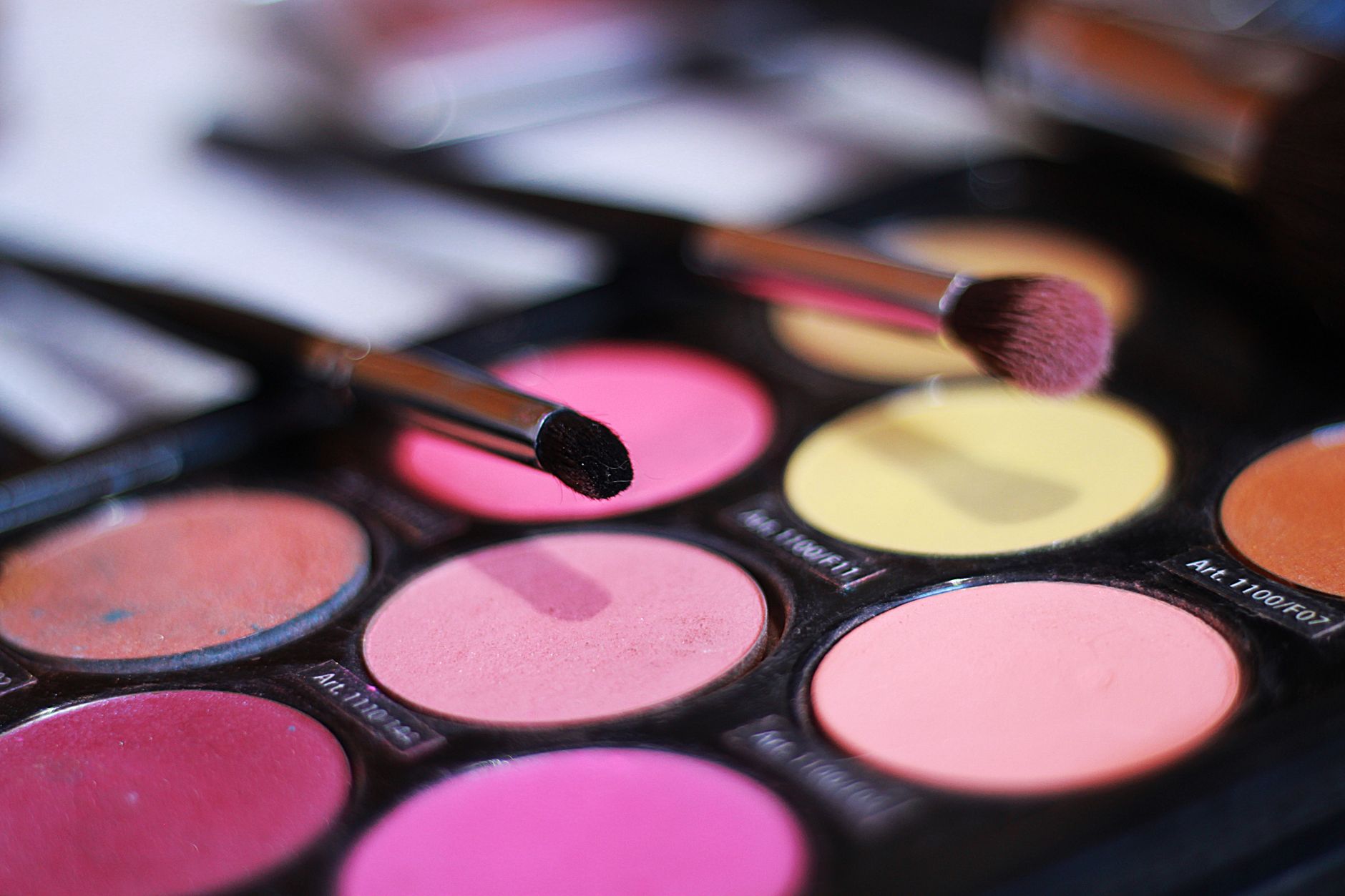
Portfolio-building happens fastest through low-cost or unpaid collaborations with photographers, models, and bridal boutiques early on. The goal is not experience for its own sake—it's creating images that demonstrate your range: different skin tones, different eye shapes, different occasions. Beginners often shoot only friends who look similar, then struggle to attract diverse clients later.
At Cáo MakeUp, 1-to-1 makeup lessons include portfolio guidance: what angles photograph well, how to style the hair and outfit to complement the makeup, and why before-and-after shots matter more than finished looks alone. Many new artists skip trials; this is a costly error. A trial—whether for a bride, a photoshoot subject, or an event client—lets you test products on that person's skin, confirm timing, and build the client's confidence. Trials also reveal allergies, sensitivities, or strong product preferences before the paid day. A makeup artist career accelerates when you document this work professionally: consistent lighting, multiple angles, and permission to share images. After 15–20 diverse looks, you have a foundation for pitching elopement and proposal makeup packages, group and bridesmaids makeup, and event bookings. Quality beats quantity; three stunning, diverse portfolio images beat fifty nearly identical selfies.
What's the difference between freelance and studio-based makeup artist work?
Freelance makeup artists control their rates and schedule but manage their own taxes, insurance, travel, and kit maintenance. Studio-based artists (employed or renting a chair) benefit from foot traffic, client referrals, and shared overhead but earn a percentage or hourly wage. Many practitioners start freelance, transition to a studio part-time for stability, then return to freelance once their reputation is established.
In Vietnam, the hybrid model is common: a makeup artist rents chair time at an urban studio (like Cáo MakeUp's locations in Hanoi, Ho Chi Minh City, Da Nang, and Hue) for walk-in or retail clients, then books freelance hotel makeup and on-location photoshoot work on weekends and peak seasons. This diversifies income and builds a local client base while maintaining creative control for high-value gigs. Freelance work typically commands higher margins but demands consistent marketing and stronger business skills. Studio work offers predictability and mentorship—invaluable for a makeup artist career in its first 2–3 years. The choice depends on your risk tolerance, network strength, and whether you prefer steady income or variable but potentially higher earnings.
| Work Model | Income Stability | Control & Flexibility | Overhead | Best For |
|---|---|---|---|---|
| Full freelance | Variable; feast/famine cycles | Complete | High (kit, travel, insurance, marketing) | Experienced artists with strong networks |
| Studio rental/commission | Moderate; predictable base | Limited | Low (split chair or booth cost) | Building a client base; learning local preferences |
| Hybrid (studio + freelance) | Moderate to high; blended | High | Medium | Career growth phase; risk mitigation |
| Employment (salon/chain) | Stable; fixed wage | Minimal | None; employer covers | New entrants; learning structure |
Why does climate matter so much for a makeup artist career in Vietnam?
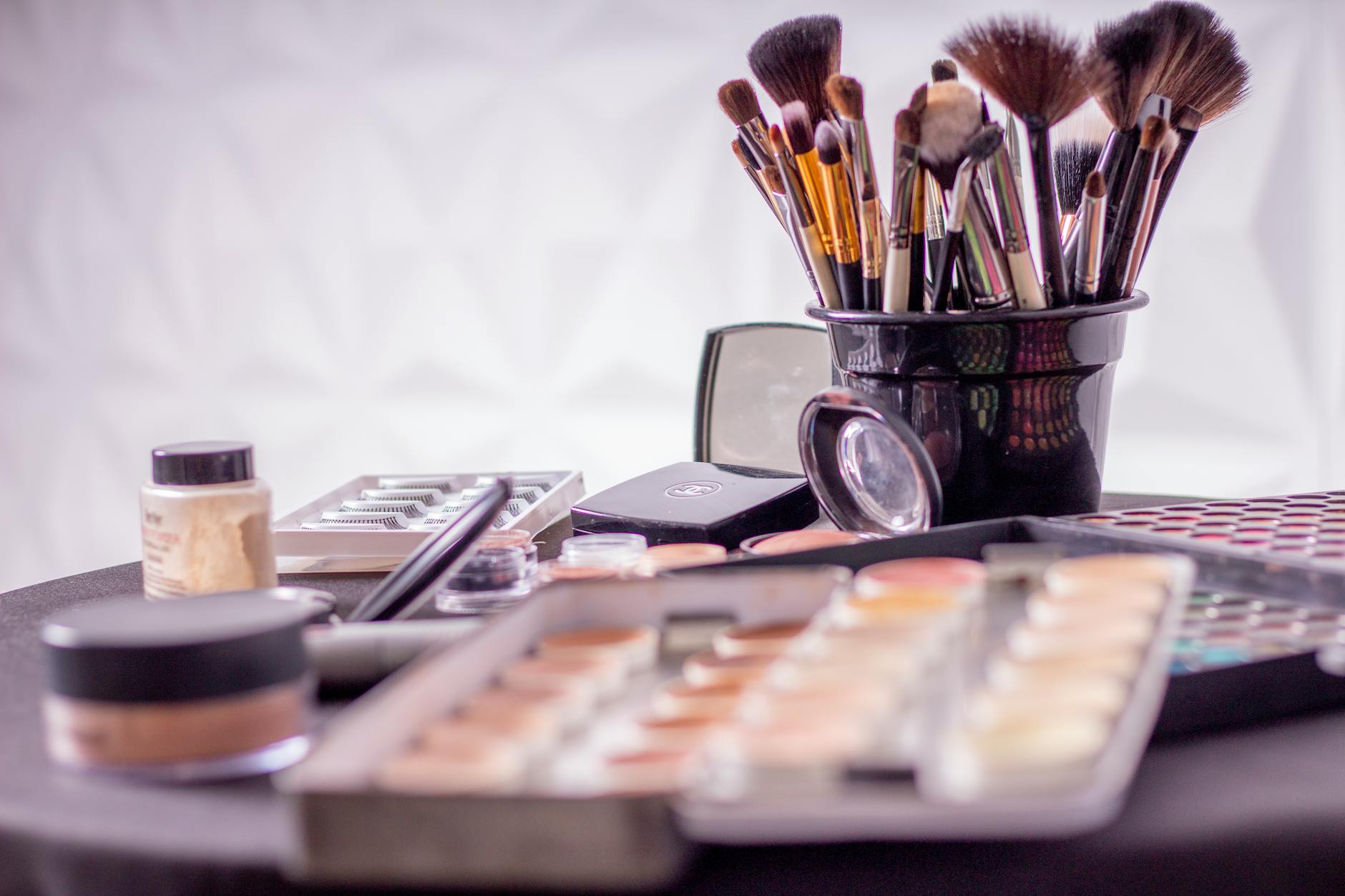
Southeast Asia's heat (28–35°C year-round) and humidity (60–90%) cause primers to separate, eyeshadow to crease, and lips to feather. A makeup artist career in Vietnam fails if your products aren't climate-proofed. Foundations oxidize darker, concealers slip, and even "waterproof" mascaras can smudge if the humidity spikes during a photoshoot or wedding morning.
Practitioners at Cáo MakeUp prioritize silicone-based primers (they grip better than water-based in high humidity), long-wear eyeshadow formulas, and setting sprays applied in layers rather than one heavy mist. Timing also shifts: a bridal makeup session in Vietnam typically begins 2–3 hours before the ceremony (not 4–5 hours as in temperate climates) to avoid excess sweating and color migration. Touch-up kits must include oil-blotting papers, waterproof brow products, and quick-dry setting spray. Many artists new to Vietnam underestimate humidity's impact and lose credibility when makeup fades by the reception. Understanding how heat and moisture affect formulation—why a product works in a dry studio but fails outdoors during a photoshoot—separates reliable professionals from amateurs. This is why training at Cáo MakeUp emphasizes tropical technique as a core competency.
What business and marketing habits secure a sustainable makeup artist career?
A makeup artist career depends as much on business fundamentals as on artistry. Practitioners must price confidently (avoid undercharging; ask us for a quote on WhatsApp), maintain a portfolio website or Instagram, collect client contacts systematically, and ask for referrals and reviews after every booking. Many new artists undervalue their time—charging less than cost-of-goods plus travel often signals low professionalism rather than building loyalty.
Sustainable careers include recurring revenue: bridesmaids and group makeup packages, corporate event makeup retainers, and 1-to-1 makeup lessons for aspiring artists. Seasonal peaks (wedding season, Tet holidays, corporate galas) demand advance booking systems and backup artists to handle overflow. Client communication is vital: confirming trials, sending pre-appointment prep lists, and following up post-event builds repeat business. Many makeup artists underinvest in invoicing and record-keeping, risking cash flow and tax problems. Keep a simple tracker of bookings, rates, and outcomes. Cáo MakeUp's team operates across Hanoi (3 branches), Ho Chi Minh City, Da Nang, and Hue, offering hotel-based makeup and on-location services because reputation attracts premium clients who pay promptly and refer others. Word-of-mouth is your most cost-effective marketing channel in a makeup artist career.
Book on WhatsApp +84 338 762 340 | Plan your wedding-day look
What to check before you commit to a makeup artist career
- Your skin tone and undertone diversity: Can you match cool, warm, and neutral tones on light, medium, and deep skin? Mismatches damage your reputation quickly.
- Climate resilience: Have you tested your products in heat and humidity? A makeup artist career in Vietnam fails if your kit isn't climate-proofed.
- Trial clients willing: Before taking paid bookings, complete at least three trials on people you don't know well. Refine timing and product choices in low-pressure settings.
- Backup products: Always carry duplicates of primers, setting spray, and eyeshadows. A single product failure during a high-profile event can end referrals.
- Business basics: Know your costs (products, travel, insurance). Set pricing that covers expenses plus profit margin. Undercharging doesn't build loyalty—it attracts demanding, price-sensitive clients.
- Mentorship access: Joining a studio or taking 1-to-1 lessons with an experienced artist fast-tracks skill and credibility. Solo learning often leads to costly technique gaps.

FAQ
Where are the Cáo MakeUp studios?
We operate in Hanoi (3 branches), Ho Chi Minh City, Da Nang (108 Hoi Kieng 18, Ngu Hanh Son Ward), and Hue (63 Vo Duy Ninh, Thanh Thuy Ward). We also travel to Hoi An by request for bridal and on-location bookings.
How much does a makeup artist career mentorship cost?
Ask us for a quote on WhatsApp +84 338 762 340. 1-to-1 makeup lessons are customized to your level and goals; we tailor pricing after discussing your needs.
Can I learn makeup artistry part-time while working another job?
Yes. Most new makeup artists start part-time, building a portfolio and client base on weekends. Our 1-to-1 lessons schedule around your availability, and studio rental at our locations lets you book shifts flexibly.
How long does it take to build a profitable makeup artist career?
Typically 1–3 years, depending on networking, climate adaptation, and starting credentials. Artists who start with trials, build diverse portfolios, and specialize (e.g., bridal or event) reach profitability faster than generalists.
What products should a new makeup artist buy first?
Prioritize waterproof, long-wear primers; humidity-resistant eyeshadows; and setting spray formulated for tropical climates. Avoid buying every trend; depth in a few reliable formulas beats a shallow collection. We discuss this in detail during makeup lessons.
Is a makeup artist career viable in Vietnam without formal credentials?
Yes, but a strong portfolio and mentorship accelerate trust and bookings. Many successful artists at Cáo MakeUp trained through apprenticeship and on-the-job learning rather than formal certification. However, reputable training (like our 1-to-1 lessons) builds confidence and technical precision faster.
Book an artist
Tell us the city, the date, the occasion and how many people. We reply on WhatsApp in English with options and a quote.
FAQ
Where are the Cáo MakeUp studios?
We operate in Hanoi (3 branches), Ho Chi Minh City, Da Nang (108 Hoi Kieng 18, Ngu Hanh Son Ward), and Hue (63 Vo Duy Ninh, Thanh Thuy Ward). We also travel to Hoi An by request for bridal and on-location bookings.
How much does a makeup artist career mentorship cost?
Ask us for a quote on WhatsApp +84 338 762 340. [1-to-1 makeup lessons](/makeup-class) are customized to your level and goals; we tailor pricing after discussing your needs.
Can I learn makeup artistry part-time while working another job?
Yes. Most new makeup artists start part-time, building a portfolio and client base on weekends. [Our 1-to-1 lessons](/makeup-class) schedule around your availability, and studio rental at our locations lets you book shifts flexibly.
How long does it take to build a profitable makeup artist career?
Typically 1–3 years, depending on networking, climate adaptation, and starting credentials. Artists who start with trials, build diverse portfolios, and specialize (e.g., bridal or event) reach profitability faster than generalists.
What products should a new makeup artist buy first?
Prioritize waterproof, long-wear primers; humidity-resistant eyeshadows; and setting spray formulated for tropical climates. Avoid buying every trend; depth in a few reliable formulas beats a shallow collection. We discuss this in detail during [makeup lessons](/makeup-class).
Is a makeup artist career viable in Vietnam without formal credentials?
Yes, but a strong portfolio and mentorship accelerate trust and bookings. Many successful artists at Cáo MakeUp trained through apprenticeship and on-the-job learning rather than formal certification. However, reputable training (like our [1-to-1 lessons](/makeup-class)) builds confidence and technical precision faster.