
Home › Blog › Korean-style makeup
Glass Skin Makeup Natural Look: Dewy Finish Guide
By the Vietnam Makeup Artist team · 2026-11-06
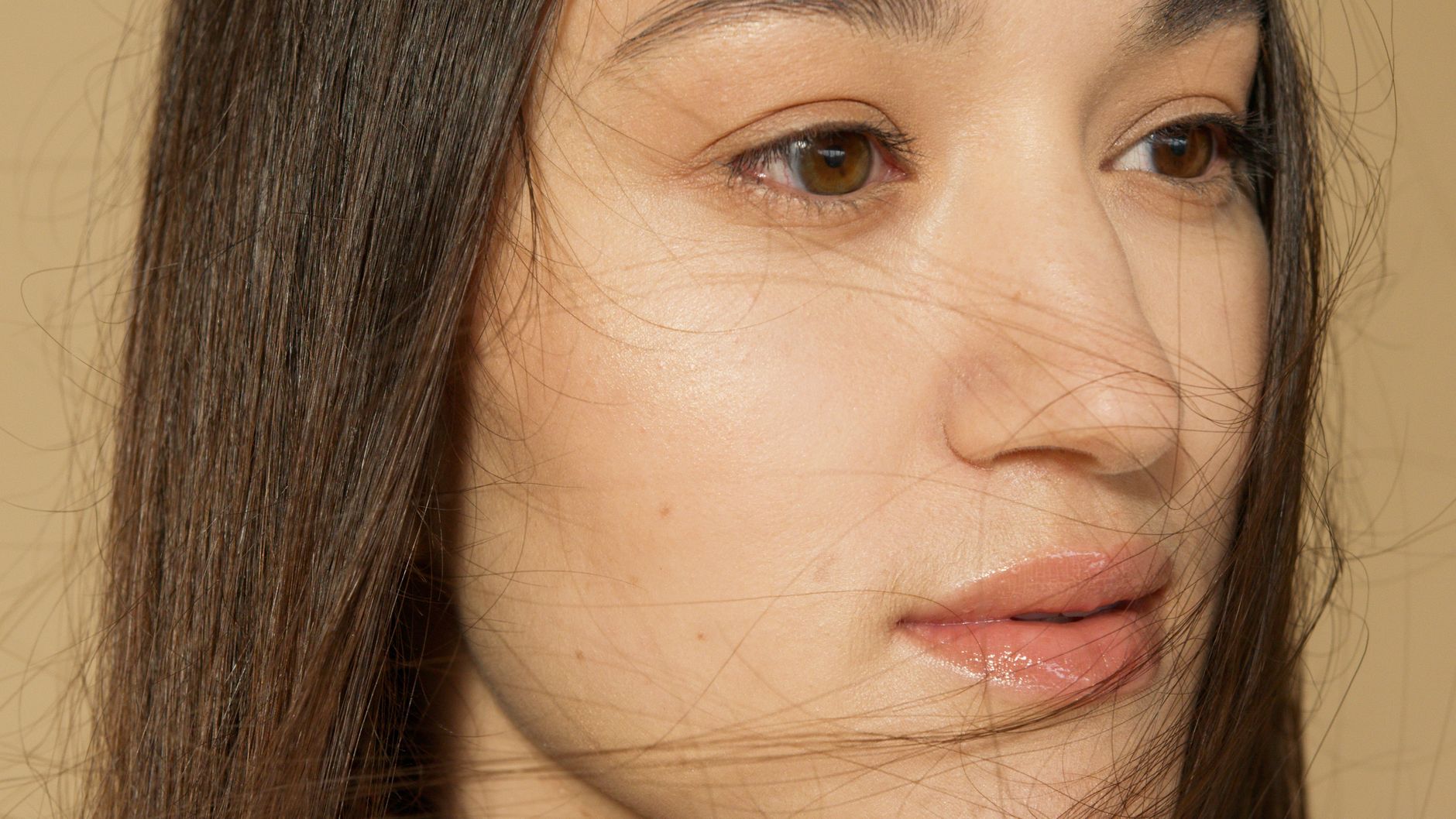
Glass skin makeup is a Korean-inspired technique that mimics a smooth, translucent, well-hydrated complexion with a subtle glow. We create it at Vietnam Makeup Artist by Cáo MakeUp using lightweight cream or liquid bases that sit flush against skin, avoid powder buildup, and apply emollient eyeshadows and blushes instead of mattes. A session takes 45–60 minutes; bridal prep on wedding mornings runs 90 minutes start-to-finish with skincare priming and extended setting. The finish survives Hanoi and Ho Chi Minh City heat through hydrating primers, long-wear serums mixed into base, and setting sprays (not powders). Cost varies by location and service type—ask us for a quote on WhatsApp. Most clients avoid this look if their skin is very oily unprepared or if they skip primer; we recommend a trial first to test products on your skin's undertone and humidity response.
Glass skin makeup prioritizes radiance over matte definition. We build this look in layers: hydrating primer → sheer, dewy base → cream shadows and blushes → reflective highlighter → setting spray. The result feels weightless and moves naturally with facial expressions.
Book on WhatsApp +84 338 762 340
Why does glass skin makeup fade in tropical humidity?
Standard powder-based makeup dries out skin in heat and breaks down under sweat. Glass skin relies on moisture-locking serums and lightweight liquids, which can slip without the right primer and setting technique. We use hydrating primers that form a tacky base—not an occlusive barrier—so foundation adheres longer without caking. In Hanoi, Ho Chi Minh City, Da Nang, and Hue, humidity peaks April–September; we adjust product ratios and reapplication points during trial sessions to match your climate zone and skin's oil production. Conclusion: glass skin survives tropics only if primer, base, and setting spray work as one system.

What's the difference between glass skin and dewy makeup?
Glass skin is perfectly smooth and reflective, almost poreless; dewy makeup just adds shine to any skin texture. Glass skin requires micro-coverage base, cream textures, and diffused lighting. Dewy makeup can use powder foundation plus a luminous spray. If your skin has visible pores or texture, glass skin needs a pore-minimizing primer first. Dewy makeup forgives uneven skin because it's just a finish layer. We recommend glass skin for photoshoots, bridal wear, and events where cameras will be close; dewy is faster for everyday or hotel-based touch-ups. Our photoshoot makeup service specializes in glass skin because the finish photographs flawlessly under studio and natural light. Conclusion: glass skin demands prep; dewy is forgiving.
How do you match glass skin makeup to Western and mixed undertones?
Western undertones (cool pink, warm golden, or neutral) show through sheer glass skin base more than matte makeup. We always run a trial to test foundation depth and undertone against your neck in daylight. Cool undertones need rosy or pink-toned bases; warm undertones need golden or peachy; neutral works with either. For mixed skin—darker undertones with lighter surface areas—we apply base in thin, even layers to avoid ashy or orange patches. Cream blush and shadow undertones must complement face base or they'll muddy the glass effect. A mismatch turns glass skin cloudy or uneven. Our makeup class in English covers undertone matching for every skin depth. Conclusion: undertone accuracy is non-negotiable for glass skin; trial sessions catch mismatches before events.
What products survive glass skin application longest?
| Feature | Hydrating Primer | Serum-Infused Base | Cream Blush | Setting Spray |
|---|---|---|---|---|
| Best for | All undertones, oily-to-dry | Mixed skin, heat exposure | Photoshoot, bridal wear | 8+ hour wear in humidity |
| Texture | Tacky gel or liquid | Luminous, lightweight | Melts into skin | Fine mist, non-drying |
| Why it works | Locks water in, builds grip | Doesn't settle in pores | Blends without streaking | Locks layers, doesn't crack |
| Downside | Can feel sticky if overapplied | Needs fast blending | Patches if hands are cold | Can feel stiff if oversprayed |
We stock product types across price ranges for trials. Hydrating primers from Korean and local brands both work; the key is application thickness—a dime-sized amount for full face. Serum-infused bases layer best when applied with a damp beauty sponge using stippling motions. Cream blushes and shadows need a shade lighter than matte versions because they sit glossy; test on inner arm first. Setting spray over glass skin should be a light mist, 6–8 inches away, never heavy. Ask us for product recommendations matched to your skin type and event duration. Conclusion: glass skin survives through product pairing, not single-product heroics.
How long does glass skin makeup take on a wedding morning?
Timing depends on base prep, skin condition, and group size. Single person: 45–60 minutes includes skincare, primer, base, eyeshadow, blush, lips, and setting. If skin is dehydrated, add 15 minutes for hydrating serums and extra mist. Bridal parties at hotels take 90–120 minutes per person; we arrive with all products and equipment, set up in-room, and manage timing so the bride is finished last and photos happen on schedule. Our hotel makeup service manages group logistics and touch-up packs for receptions. For elopements, glass skin works best during golden hour (early morning or late afternoon) because daylight plays with the reflective finish. Conclusion: book 60 minutes minimum per person; add 30 minutes if you're unsure about skin prep or lighting.
What goes wrong with glass skin makeup and how do we fix it?
Patchiness: uneven primer or undertone mismatch. Fix: reapply base with damp sponge and adjust undertone blend. Slipping: primer too thick or base too heavy. Fix: use less product, layer thinner, set with spray earlier. Muddy finish: wrong blush/shadow undertone or too much product. Fix: sheer out with a clean brush or correct undertone in trial. Greasiness mid-event: primer overapplied or setting spray skipped. Fix: mattify with blotting paper (not powder), reapply light setting spray. Crusty edges: setting spray overused or base dried too fast. Fix: use mist setting spray, not liquid; blend base fully before setting.
We run a trial session before every major event to test your skin's response and catch these issues in advance. Most failures happen because prep was rushed or products weren't suited to client skin type. Book a 1-to-1 makeup class if you want to learn glass skin technique for everyday wear. Conclusion: trials prevent 90% of problems; honest communication about your skin is critical.
Book on WhatsApp +84 338 762 340
Glass skin for different skin types: what to prepare
Oily skin: Use silicone-based primer (matte finish, grips well), serum-infused base applied thin, and mattifying setting spray to balance shine. Blot mid-event with blotting paper, not powder.
Dry skin: Hydrating primer (dewy gel), water-based or oil-infused base, cream shadows and blush, and hydrating setting spray. Skip powder entirely.
Combination skin: Primer only on T-zone, full base coverage, cream products everywhere, and targeted setting spray (T-zone only if oily).
Sensitive skin: Patch-test all products 48 hours before. Use fragrance-free, hypoallergenic primers and bases. Skip silicones if reactive.
Mature or deeper skin tones: Warm or golden undertone primers prevent ashy finish. Cream products don't settle into fine lines like powder does. Highlight inner corner of eye and above cheekbones for glass effect without extra products.
We provide a detailed prep sheet after your trial, specific to your skin and climate zone. Our special skin service covers sensitive, reactive, and mature skin care before makeup application. Come in 3–5 days before your event for trial; bring your regular skincare routine so we test compatibility.
What to check before you book a glass skin makeup session
- Trial timing: Book at least 2 weeks before your event. If traveling to Hanoi, Ho Chi Minh City, Da Nang, or Hue for wedding or photoshoot, request trial 3–5 days ahead to adjust to local humidity.
- Skin condition: Tell us if you have active breakouts, rosacea, or dry patches. We'll prep skin and adjust coverage.
- Undertone reference: Bring photos of makeup you've liked before. Screenshot are fine.
- Event timing: Confirm start time, location (indoor or outdoor), and how many hours makeup needs to last. Glass skin in full sun photographs differently than indoor gala lighting.
- Climate: Let us know if you're arriving from a cooler region. We adjust product ratios for acclimatization.
- Budget: Ask us for a quote on WhatsApp including trial and event session.

FAQ
Where are the Cáo MakeUp studios?
We operate in Hanoi (3 branches), Ho Chi Minh City, Da Nang (108 Hoi Kieng 18, Ngu Hanh Son Ward), and Hue (63 Vo Duy Ninh, Thanh Thuy Ward). We also travel to Hoi An and offer hotel and on-location services nationwide.
Does glass skin makeup work for oily skin in heat?
Yes, if you use silicone-based primer, thin base layers, and mattifying setting spray. We skip cream products on very oily T-zones and test product pairing in your trial session to ensure the finish lasts.
How long does glass skin makeup last at a beach or outdoor event in Vietnam?
6–8 hours with proper primer and setting spray; humidity and direct sun may require touch-ups every 2–3 hours. We provide a touch-up kit with blotting paper and setting spray for events longer than 4 hours.
Can I learn to do glass skin makeup myself?
Yes. Book a 1-to-1 makeup class in English where we teach layering, blending, and undertone matching specific to your skin type. Sessions are held in our studios.
What's the difference between glass skin and "no-makeup makeup"?
No-makeup makeup is barely-there coverage that looks natural; glass skin is intentionally glowing and reflective with minimal pores visible. Glass skin is more dramatic and works better for photos and events.
Do I need to prep my skin the night before a glass skin makeup appointment?
Yes. Hydrate, exfoliate gently 2–3 days before (not the morning of), and use your regular skincare on appointment day. Arrive with clean, moisturized skin. Avoid heavy oils or serums within 30 minutes of arrival.
Can you do glass skin makeup for bridesmaids and groomsmen too?
Yes. Our bridesmaids and group makeup service adapts glass skin technique to every member's undertone and skin type. Coordinate timing so the bridal party looks cohesive in photos.
Is glass skin makeup suitable for professional photoshoots?
Absolutely. Glass skin photographs beautifully under studio and natural light because the reflective finish flatters cameras. Our photoshoot makeup service specializes in this finish and manages touch-ups between shots.
Book an artist
Tell us the city, the date, the occasion and how many people. We reply on WhatsApp in English with options and a quote.
FAQ
Where are the Cáo MakeUp studios?
We operate in Hanoi (3 branches), Ho Chi Minh City, Da Nang (108 Hoi Kieng 18, Ngu Hanh Son Ward), and Hue (63 Vo Duy Ninh, Thanh Thuy Ward). We also travel to Hoi An and offer hotel and on-location services nationwide.
Does glass skin makeup work for oily skin in heat?
Yes, if you use silicone-based primer, thin base layers, and mattifying setting spray. We skip cream products on very oily T-zones and test product pairing in your trial session to ensure the finish lasts.
How long does glass skin makeup last at a beach or outdoor event in Vietnam?
6–8 hours with proper primer and setting spray; humidity and direct sun may require touch-ups every 2–3 hours. We provide a touch-up kit with blotting paper and setting spray for events longer than 4 hours.
Can I learn to do glass skin makeup myself?
Yes. [Book a 1-to-1 makeup class](/makeup-class) in English where we teach layering, blending, and undertone matching specific to your skin type. Sessions are held in our studios.
What's the difference between glass skin and "no-makeup makeup"?
No-makeup makeup is barely-there coverage that looks natural; glass skin is intentionally glowing and reflective with minimal pores visible. Glass skin is more dramatic and works better for photos and events.
Do I need to prep my skin the night before a glass skin makeup appointment?
Yes. Hydrate, exfoliate gently 2–3 days before (not the morning of), and use your regular skincare on appointment day. Arrive with clean, moisturized skin. Avoid heavy oils or serums within 30 minutes of arrival.
Can you do glass skin makeup for bridesmaids and groomsmen too?
Yes. [Our bridesmaids and group makeup service](/group-and-bridesmaids) adapts glass skin technique to every member's undertone and skin type. Coordinate timing so the bridal party looks cohesive in photos.
Is glass skin makeup suitable for professional photoshoots?
Absolutely. Glass skin photographs beautifully under studio and natural light because the reflective finish flatters cameras. [Our photoshoot makeup service](/photoshoot-makeup) specializes in this finish and manages touch-ups between shots.
More like this
Korean-style makeup
Korean Style Makeup with False Lashes or Not: A Real Guide
Korean makeup can look stunning with or without false lashes—it depends on your eye shape, event, and climate. We share the honest framework.
Korean-style makeup
Korean Style Makeup Hanoi for Foreigners: Studio Guide & Booking
Korean-style makeup in Hanoi demands climate-proof application and undertone matching for mixed and deeper skin. We offer consultation, trials, and on-location sessions at three Hanoi studios.
Korean-style makeup
Korean Makeup Artist in Tay Ho for Foreigners: Book Bridal & Shoot Makeup
Finding a Korean makeup artist in Tay Ho who understands Western and mixed skin tones isn't simple—heat, humidity, and undertone mismatch derail most bookings. Cáo MakeUp's team works with international clients across Hanoi, using climate-proof techniques and bilingual consultations to deliver Korea