
Home › Blog › Korean-style makeup
Glass Skin Makeup for Western Faces: Heat-Proof Technique in Vietnam
By the Vietnam Makeup Artist team · 2026-11-06
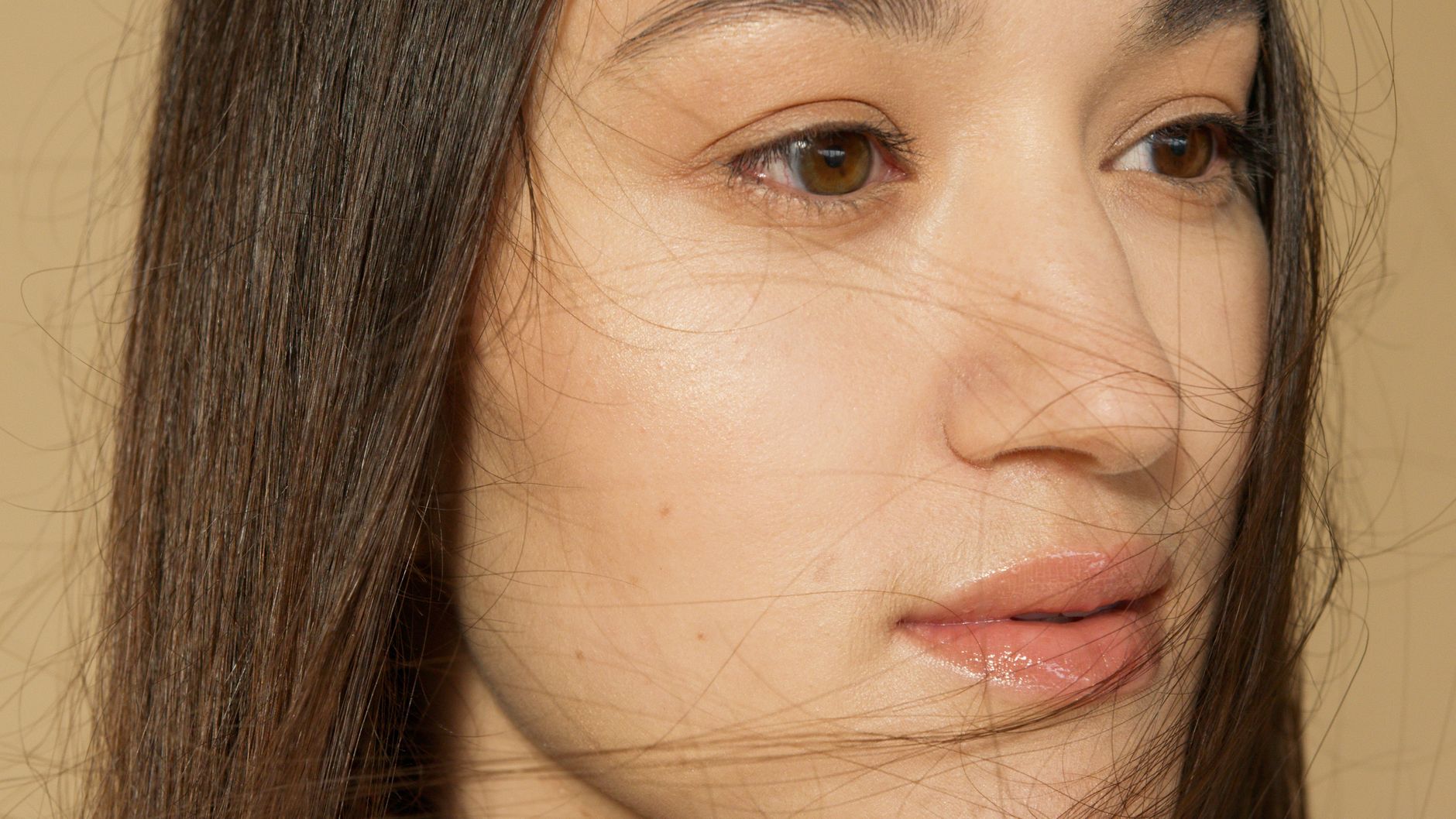
Glass skin makeup is a Korean-inspired technique that creates a smooth, hydrated, reflective finish by layering lightweight, hydrating products and strategic highlighting. On Western and mixed skin tones, the challenge is matching undertones while keeping that dewy look intact in tropical heat. We recommend starting with a hydrating primer suited to your climate (water-based in humidity), a thin, luminous base, and cream highlighters on high points; seal everything with a setting spray formulated for sweat and moisture. A full glass skin application takes 30–40 minutes; it requires trial beforehand to confirm undertone match and product behavior in your local temperature. At Vietnam Makeup Artist by Cáo MakeUp, we customize this look for Western faces during consultations, testing durability during your trial session. Heat and humidity will fade any makeup—the key is choosing products with silicone or hydrophobic binders, not water-soluble formulas, and accepting touch-ups every 4–6 hours in extreme conditions. Book on WhatsApp +84 338 762 340
Why does glass skin work differently on Western faces?
Glass skin relies on a luminous, wet-look finish that flatters all skin tones—but Western faces (and mixed tones) often have cooler, olive, or golden undertones that require careful product selection. Korean glass skin tutorials default to warm, pink-based products; on cooler or deeper undertones, these can look muddy or contrast awkwardly. The technique itself—hydration-first, minimal visible powder—is universal, but undertone matching is non-negotiable. We always do a trial to confirm your primer, base, and highlight shades sit naturally on your skin, not float above it. On deeper tones, a pink or rosy glow can appear ashy unless the product is formulated for richer pigmentation. The humidity in Vietnam adds urgency: you need products that stay put and luminous, not slick or greasy. That's why a 1-to-1 makeup lesson focused on glass skin is invaluable—you learn to assess your own undertone under the light where you'll be photographed or celebrated.

How do you prepare skin for glass skin in tropical heat?
Proper prep is where glass skin succeeds or fails in humid climates. Start with a clean, hydrated face: use a hydrating toner or essence the morning of, wait 2–3 minutes for it to absorb, then apply a water-based primer (never silicone-heavy in 32°C+ heat—it traps sweat and slides). Pat, don't rub. Wait another 1–2 minutes. Next, apply a thin layer of hydrating base or BB cream; glass skin favors sheerness and luminosity, so resist the urge to layer thick foundation. If your undertone is cool or olive, choose a primer and base with neutral or cool undertones; test on your jawline in daylight first. For deeper skin, ensure your base is neither lighter nor too warm—mismatched base will undermine the glass effect and look patchy by mid-morning. Blot any excess with a damp beauty sponge (not a tissue—it disrupts the finish). On the wedding morning or shoot day, we arrive early and reapply primer 10 minutes before camera time to lock in any overnight oils. Always apply sunscreen 15 minutes before primer; waiting prevents the sunscreen from sliding under makeup later.
| Prep Step | Purpose | Timing | Why It Matters |
|---|---|---|---|
| Hydrating toner/essence | Plumps skin, evens texture | 2–3 min before primer | Glass skin needs moisture base; toner deepens glow |
| Water-based primer | Holds makeup, mattifies lightly | 1–2 min after toner | Oil-control without blocking luminosity in heat |
| Hydrating base (thin layer) | Even coverage, luminous finish | 2–3 min coverage | Thick base kills glass effect; thin layer breathes |
| Damp sponge blot | Removes excess, melds layers | Before highlight | Prevents slick appearance; ensures dewy, not oily |
What products actually survive humidity and sweat?
In Vietnam's climate, water-based and hybrid formulas fail by midday; you need silicone-based or hydrophobic binders. Primers with dimethicone or cyclopentasiloxane create a lasting barrier. Bases and BBs with long-wear polymers stay put longer than water-soluble ones. Liquid or cream highlighters (not powder) work best for glass skin because they meld into the skin instead of sitting on top and flaking; powder highlighter will separate from moisture within 2–3 hours. We recommend cream blushes and liquid or stick highlighters in the same undertone family as your base—they layer seamlessly and move less. Setting spray is crucial: choose one specifically formulated for humidity and sweat (water-resistant formulas exist). A light dusting of translucent powder only on the T-zone (not the high points you want to glow) helps mattify without dulling luminosity. For bridesmaids or events, where touch-ups may be limited, a powder-based setting spray + a small cream highlighter stick in your makeup bag covers emergencies. Never use matte setting spray on glass skin—it kills the effect instantly.
How do undertone and skin depth affect glass skin shade selection?
This is where most DIY glass skin fails on Western and mixed faces. Cool undertones (pink, red, blue leanings) suit cool-toned primers, icy or silvery highlights, and rosy or berry blushes; warm, peachy primers will clash and look ashy. Olive undertones (green or golden-green) need neutral or slightly warm primers and highlights that lean golden or pale champagne, never pink or silver. Golden or warm undertones pair with warm primers, golden or bronze highlights, and warm blush tones. On deeper skin, undertone matching is even more critical because contrast is visible; a cool highlight on deep golden skin reads as chalky, while a warm highlight on deep cool skin appears muddy. We do a trial session specifically to test your chosen shades against your natural undertone under the light of your venue (not studio lighting—that's deceptive). Bring fabric swatches or photos of your wedding colour scheme so we can ensure the glass skin glow complements your styling, not fights it. If you're booking makeup for a photoshoot, the photographer's lighting also shifts how undertones read, so a dress rehearsal is essential.

What is the timing and touch-up plan for a wedding morning?
A full glass skin makeup application takes 30–40 minutes for a bridal or solo look (longer for bridesmaids if they're done sequentially). On a wedding morning, we arrive 60–90 minutes before the ceremony or first photos to allow time for base application, any adjustments, and final setting. Timing breakdown: 5–10 min hydration and primer; 10–12 min base and concealer; 8–10 min blush and highlight; 3–5 min setting spray and final adjustments. In Vietnam's heat, plan for a touch-up kit: blotting sheets (not powder—it dulls glass), a cream highlight stick, and the setting spray. Reapply highlighter and setting spray every 4–5 hours if you're outdoors or dancing. For event and party makeup, inform us upfront how long the event lasts and whether you'll be outdoors; we'll adjust product selection and provide you with a mini touch-up kit. Glass skin looks freshest in the first 6 hours; beyond that, glow may flatten unless actively refreshed. Never reapply base over existing base—it cakes. Instead, blot, apply a light mist of setting spray, and add highlight only where it's faded.
Book on WhatsApp +84 338 762 340
How do you adapt glass skin for bridesmaids or group makeup?
When multiple people need the same glass skin look—say, for a bridal party or event—consistency and speed are key. We recommend a pre-trial consultation with at least one bridesmaid to confirm undertone mapping works across the group. Not everyone has the same undertone, so individual highlight and blush shades will vary slightly; that's correct, not a failure. For the actual event, we prep all primers and bases in advance, assign timing slots (first person starts 90 minutes before, last person 45 minutes before), and use identical techniques but customized shades. This ensures everyone has a glass skin finish that's harmonious but authentic to their undertone. For bridesmaids and group makeup, we also coordinate with the bridal makeup timeline so the bride isn't rushed while others are being done. If budget or time is tight, we can do a hybrid: bride receives full 40-minute glass skin makeup, bridesmaids get a 20-minute version (primer, lightweight base, blush, highlight, setting spray). Let us know group size and timing constraints when you inquire; we'll craft a realistic schedule and let you know whether on-location setup works for your venue or hotel.
What to check before you book
- Venue lighting and outdoors time: Sunlight and heat accelerate fading; confirm how much time you'll spend in air-conditioning vs. outside.
- Your undertone: Bring fabric swatches or colour photos of your outfit and decor so we can test shades during trial.
- Trial timing: Book a trial at least 1–2 weeks before the event; this is not optional for glass skin, as heat and humidity behaviour cannot be guessed.
- Touch-up willingness: Confirm whether you'll do light touch-ups midday or expect makeup to last untouched for 8+ hours (the latter requires different products).
- Photographer's brief: If you're having makeup for a photoshoot, share the photographer's lighting style (natural, studio, outdoor) so we adjust glow intensity and undertone for camera.
- Budget and product preferences: Ask us for a quote on WhatsApp; mention any skin sensitivities or product preferences (e.g., vegan, hypoallergenic) upfront.
Where do Western faces and glass skin come together?
Glass skin works on every face when technique and undertone match. The Western-specific challenge isn't the technique—it's that most tutorials and product recommendations assume warm, cool-pink undertones. We adapt the Korean makeup approach for cooler, olive, golden, and deeper tones, testing durability in Hanoi and Ho Chi Minh City heat. Every face deserves a luminous, healthy glow. Book a trial to confirm yours will last through your celebration.
Book on WhatsApp +84 338 762 340
FAQ
Can glass skin work on very pale or very deep Western skin?
Yes. Pale skin suits cool or neutral undertone highlights (icy or pale champagne); deep skin suits warm, golden, or bronze highlights. Undertone, not depth, drives shade choice.
How often do I need to reapply glass skin makeup in Vietnam heat?
Every 4–5 hours outdoors; you can blot and add setting spray only to refresh. Reapply full base only if it's visibly broken down.
What if I'm allergic or sensitive to silicone-based primers?
Tell us during booking. We can use water-based hybrid primers and longer-lasting hydrating bases, but durability in humidity reduces to 3–4 hours; plan touch-ups accordingly.
Is a trial necessary if I've worn glass skin makeup before?
Yes. Vietnam's heat and humidity are different from most climates; products behave unpredictably without local testing. Trials are non-refundable but protect you from on-the-day surprises.
Can I do glass skin makeup for both a morning ceremony and evening reception?
Yes. We can do a fresh reapplication during the reception prep (15–20 minutes) or refresh your existing makeup (5–10 minutes) depending on condition. Confirm timing and break duration when you book.
Where are Cáo MakeUp's studios?
Cáo MakeUp has 6 studios across Vietnam: Hanoi: 11 Lien Tri, Hoan Kiem · 15A1 KDT Dai Kim, Hoang Mai · D02-L44 An Vuong, KDT Duong Noi; Ho Chi Minh City: A1.12 Ha Kieu Apartment, Street No. 20, An Nhon Ward, Go Vap; Da Nang: 108 Hoi Kieng 18, Ngu Hanh Son Ward; Hue: 63 Vo Duy Ninh, Thanh Thuy Ward, Hue. Hotline +84 865 239 183 · WhatsApp +84 338 762 340.
Book an artist
Tell us the city, the date, the occasion and how many people. We reply on WhatsApp in English with options and a quote.
FAQ
Can glass skin work on very pale or very deep Western skin?
Yes. Pale skin suits cool or neutral undertone highlights (icy or pale champagne); deep skin suits warm, golden, or bronze highlights. Undertone, not depth, drives shade choice.
How often do I need to reapply glass skin makeup in Vietnam heat?
Every 4–5 hours outdoors; you can blot and add setting spray only to refresh. Reapply full base only if it's visibly broken down.
What if I'm allergic or sensitive to silicone-based primers?
Tell us during booking. We can use water-based hybrid primers and longer-lasting hydrating bases, but durability in humidity reduces to 3–4 hours; plan touch-ups accordingly.
Is a trial necessary if I've worn glass skin makeup before?
Yes. Vietnam's heat and humidity are different from most climates; products behave unpredictably without local testing. Trials are non-refundable but protect you from on-the-day surprises.
Can I do glass skin makeup for both a morning ceremony and evening reception?
Yes. We can do a fresh reapplication during the reception prep (15–20 minutes) or refresh your existing makeup (5–10 minutes) depending on condition. Confirm timing and break duration when you book.
Where are Cáo MakeUp's studios?
Cáo MakeUp has 6 studios across Vietnam: Hanoi: 11 Lien Tri, Hoan Kiem · 15A1 KDT Dai Kim, Hoang Mai · D02-L44 An Vuong, KDT Duong Noi; Ho Chi Minh City: A1.12 Ha Kieu Apartment, Street No. 20, An Nhon Ward, Go Vap; Da Nang: 108 Hoi Kieng 18, Ngu Hanh Son Ward; Hue: 63 Vo Duy Ninh, Thanh Thuy Ward, Hue. Hotline +84 865 239 183 · WhatsApp +84 338 762 340.
More like this
Korean-style makeup
Korean Style Makeup with False Lashes or Not: A Real Guide
Korean makeup can look stunning with or without false lashes—it depends on your eye shape, event, and climate. We share the honest framework.
Korean-style makeup
Korean Style Makeup Hanoi for Foreigners: Studio Guide & Booking
Korean-style makeup in Hanoi demands climate-proof application and undertone matching for mixed and deeper skin. We offer consultation, trials, and on-location sessions at three Hanoi studios.
Korean-style makeup
Korean Makeup Artist in Tay Ho for Foreigners: Book Bridal & Shoot Makeup
Finding a Korean makeup artist in Tay Ho who understands Western and mixed skin tones isn't simple—heat, humidity, and undertone mismatch derail most bookings. Cáo MakeUp's team works with international clients across Hanoi, using climate-proof techniques and bilingual consultations to deliver Korea