
Correct Makeup Application Steps: Foundation to Finish
By the Vietnam Makeup Artist team · 2026-11-07
Correct makeup application starts with a clean, moisturized base, followed by primer to extend wear and control shine—crucial in Vietnam's climate. Layer foundation or BB cream, then conceal, contour, and apply cream or powder products before moving to eyes and lips. Set each section with powder or setting spray as you go, and finish with a long-wear topcoat spray. The sequence matters because each step bonds to the last; skipping primer or applying powder before cream causes patchiness and breakdown by midday. At Vietnam Makeup Artist by Cáo MakeUp in Hanoi, Ho Chi Minh City, Da Nang, and Hue, we teach this order in one-on-one lessons and adapt it for bridal, photoshoot, and event work where lasting power is non-negotiable. Timing varies: a full face takes 30–45 minutes for professionals, 45–60 for learners. Skip this sequence and you risk caking, separation, and fading within hours in tropical heat. Book on WhatsApp +84 338 762 340 | Plan your wedding-day look
✦ Planning this in Vietnam? Message us on WhatsApp — reply within minutes.
Why does the order of makeup steps matter?
Each layer of makeup bonds chemically and physically to the layer below—primer to skin, foundation to primer, powder to cream. Applying in the wrong order (e.g., powder before cream, or lips before eyes) breaks this adhesion and causes products to separate, pill, or slide off. In warm, humid climates like Vietnam, this breakdown happens within 2–4 hours if the sequence is skipped.
When you book a makeup lesson with us, we explain why each step exists and what skipping it costs. A primer without foundation underneath leaves shine uncontrolled; a foundation without primer on top causes the base to oxidize faster and look patchy by noon. The correct sequence is not arbitrary—it's physics and chemistry working together.
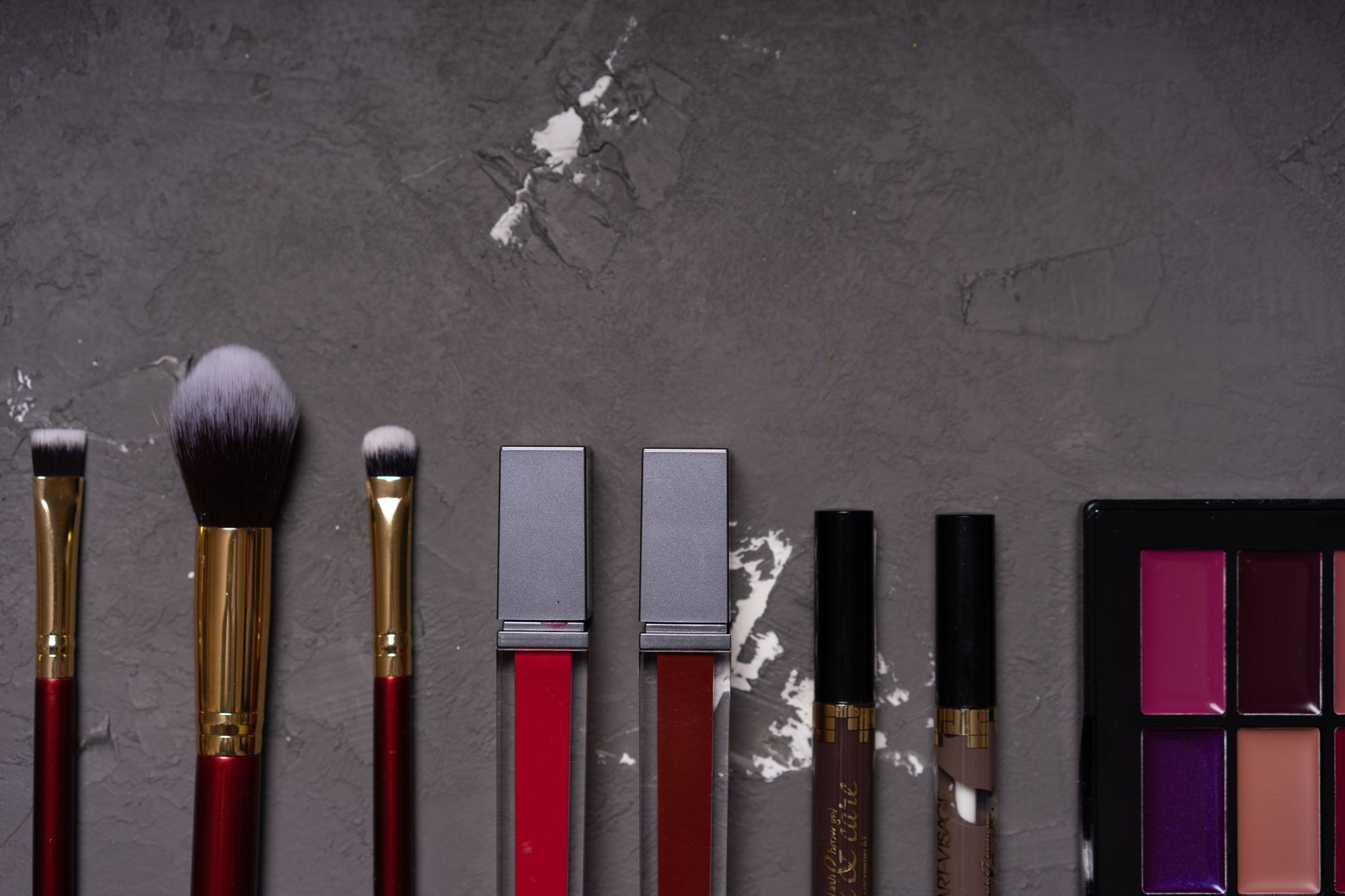
What does a full prep-to-finish routine look like?
A complete makeup application spans seven core stages: skincare (cleanse, tone, moisturize, SPF), primer, base (foundation or BB cream), concealer and contour, cream or powder products (blush, bronzer, highlight), eyes (shadow, liner, brows, mascara), and lips. Each stage has a purpose and a timing window.
Skincare takes 5–10 minutes and should sit for 2–3 minutes before primer to allow hydration to set. Primer goes on in a thin layer and needs 1–2 minutes to tacky-dry. Foundation takes 5–10 minutes (depends on coverage and blending). Concealer and contour another 5–10 minutes. Cream blush and highlight, 3–5 minutes. Eyes (the most time-intensive) take 10–20 minutes depending on complexity. Lips, 2–3 minutes. Final set spray, 1 minute.
For brides and event guests, we often extend this to 45–60 minutes to allow for trial adjustments, lash application, and careful blending. On a wedding morning at your hotel, we apply makeup on-site with this full timeline in mind. Rushing through any stage—especially primer and eye shadow base—causes the finished look to deteriorate by the reception.
How do humidity and heat change the application sequence in Vietnam?
Vietnam's tropical climate (65–95% humidity, 25–35°C year-round) means standard application sequences used in dry climates fail. Products break down faster, primers become sticky instead of matte, and foundations separate from the base. We adapt by emphasizing mattifying primers, water-resistant formulas, and more frequent setting spray application throughout the day.
In our studios across Hanoi, Ho Chi Minh City, Da Nang (108 Hoi Kieng 18, Ngu Hanh Son Ward), and Hue (63 Vo Duy Ninh, Thanh Thuy Ward), we use silicone-based primers designed for humidity and long-wear foundations that don't oxidize. We apply setting spray not just at the end but after eyes and lips, so each zone is locked before the next begins. For bridal and event work, we may add an extra layer of powder in the T-zone and a second pass of setting spray 30 minutes into wear.
| Climate Condition | Standard Step | Vietnam Adaptation | Why It Matters |
|---|---|---|---|
| Dry (20–40% humidity) | Light primer | Heavy, pore-filling primer | Prevents shine breakthrough in 2–3 hours |
| Temperate (40–60% humidity) | One setting spray coat | Two spray coats, plus powder | Locks each zone immediately; prevents migration |
| Tropical (65–95% humidity) | Water-based primer + foundation | Silicone primer + water-resistant base | Prevents slippage and separation |
| High heat (25°C+) | Cream blush alone | Cream blush + powder set | Cream melts without powder; powder alone looks dry |
What products work best at each step, and how do we choose them?
We select products by skin type, undertone, coverage need, and climate resilience—not by brand hype. For primers, we favor lightweight gel or silicone formulas that fill pores and extend foundation wear without feeling heavy. For bases, medium-coverage foundations with built-in hydration suit most skin tones; full-coverage formulas suit deeper or mixed skin tones where undertone matching is critical.
When we work with special skin types—mature, deeper tones, sensitive, or combination—we adjust product texture. Mature skin needs hydrating primers and luminous, not matte, finishes to avoid caking. Deeper and mixed skin requires careful undertone matching: warm yellows and reds for warm undertones, cool pinks and blues for cool. Our team in Hanoi, Ho Chi Minh City, Da Nang, and Hue has trained extensively on undertone matching for all skin depths.
For eyes, we use cream shadows in tropical climates because they're less prone to creasing and don't dry out in heat; powder shadows follow only after a primer and cream layer. Brows and lips use long-wear, waterproof formulas. Setting sprays should be hydrating, not drying—a misconception that leads to tight, uncomfortable skin by evening.
How do you correct mistakes mid-application or mid-wear?
Mistakes during application are easier to fix than during wear. If foundation patches or separates as you blend, the primer layer is either too thin or the wrong formula for your skin. Stop, blot gently with a damp sponge, re-prime the area, and reapply foundation. If powder looks cakey after application, you've over-set; use a damp beauty sponge to press (not rub) and redistribute.
During wear, especially on a long wedding day or photoshoot, shine or fading is normal. Carry blotting papers (not tissue—they absorb too much product), a powder compact, and a setting spray for touch-ups. If your makeup separates at the jawline or nose by hour 4, the base layer wasn't sealed properly; spray lightly and press powder into the area.
For bridal makeup, we prep a touch-up kit for the bride: blotting papers, powder, lip color, and setting spray. We also time the final coat of setting spray to 10–15 minutes before photos to allow it to dry fully so it doesn't transfer onto clothing or a partner's face during the first kiss.
Plan your wedding-day look

What should you prepare before your makeup session?
Before arriving for a makeup appointment or lesson, prepare your skin: cleanse gently the night before, moisturize, and apply sunscreen 15 minutes before your session. Arrive with a clean face, no leftover makeup or sunscreen residue—we can't prime properly over a slick base. Wear a button-up or loose shirt so makeup isn't disturbed as you change.
For bridal or event makeup, bring reference photos of the look you want (from Pinterest, Instagram, or fashion magazines), your dress or outfit so we match undertones and coverage to your neckline, and a list of your skin concerns (oiliness, dryness, sensitivity). If you're having hair and makeup together, coordinate timing: hair usually goes first, then makeup last so it's fresh for photos.
For photoshoot or ao dai makeup, specify the lighting (studio, outdoor, sunrise) and the mood (natural, glam, editorial). Lighting changes how colors read; what looks perfect in a studio can look washed out in golden-hour outdoor light. We adjust undertones and pigment intensity based on this detail. Bring any products you're allergic to or prefer to avoid; we'll work around them.
Who should follow this sequence, and when is it okay to adapt?
The seven-step sequence (prep, primer, base, concealer/contour, cream products, eyes, lips, set) is the foundation for all makeup, but adapting it is normal and necessary. If you're doing only eyes or lips as a touch-up, start with a clean, moisturized base and skip the full face. If you're doing a Korean-style makeup look with a dewy finish, you'll use more hydrating primers and fewer mattifying powders than a Western-style glam look.
For groom and men grooming, the sequence stays the same but the products change: lighter coverage, no shimmer, matte finishes, and minimal setting spray so it looks natural and undetectable. For group and bridesmaids makeup, we scale timing and adapt undertones to match the bride's palette while letting each person's skin tone shine. The order never changes; only the products and intensity do.
Book on WhatsApp +84 338 762 340
What to check before you book a makeup session
- Skin type and concerns: Do you have oily, dry, combination, sensitive, or mature skin? Mention breakouts, rosacea, or melasma so we skip products that trigger them.
- Undertone and depth: Bring a photo of yourself in natural daylight so we can assess warm vs. cool undertones and depth accurately. Undertone mismatch is the most common complaint we hear.
- Timing and location: Confirm whether we're meeting at one of our studios (Hanoi, Ho Chi Minh City, Da Nang, Hue, or Hoi An by request) or at your hotel, venue, or photoshoot location. Travel time affects when we start.
- Wear duration: Is this a 2-hour event, an 8-hour wedding, or a full day of photos? We choose different setting products and touch-up strategies based on this.
- Climate and lighting: Are you indoors with AC, outdoors in full sun, or in a mix? Heat and humidity change our product choices dramatically.
- Budget and product preference: Ask us for a quote on WhatsApp. Tell us if you prefer cruelty-free, vegan, or hypoallergenic formulas.
Explore our makeup services
We offer makeup lessons in English where you learn this sequence step-by-step, one-on-one with a senior artist. We handle bridal makeup with full-day touch-up support, hotel-based makeup application, photoshoot and ao dai makeup, and event and party makeup. For hair and makeup together, see our hair styling service. We also offer elopement and proposal makeup for intimate moments and specialized care for deeper and mixed skin tones.
All studios are open for booking: Hanoi (3 branches), Ho Chi Minh City, Da Nang, and Hue. Contact us on WhatsApp to discuss your needs and book.
FAQ
Where are the Cáo MakeUp studios located?
We operate in Hanoi (3 branches), Ho Chi Minh City, Da Nang (108 Hoi Kieng 18, Ngu Hanh Son Ward), and Hue (63 Vo Duy Ninh, Thanh Thuy Ward). We also travel to Hoi An and other locations for bridal and event work by request.
How long does a full makeup application take?
A professional application takes 30–45 minutes; learners should allow 45–60 minutes. Bridal makeup with trials and adjustments may take 60–90 minutes on the wedding day itself.
Why does my makeup separate or get oily by mid-day in Vietnam?
High humidity (65–95%) and heat (25–35°C) break down standard primers and foundations. We use silicone-based primers, water-resistant foundations, and multiple setting spray layers to prevent separation and shine breakthrough.
Do I need a primer if I have oily skin?
Yes—especially in Vietnam's climate. A mattifying primer controls shine longer than foundation alone and keeps makeup intact for 4–8 hours. Skipping primer is the most common reason makeup fails in tropical heat.
What's the difference between cream and powder products, and which should I use first?
Cream products (blush, highlight, shadows) apply to skin or primer and dry to a layer you can powder over. Powder products apply to dried cream or powder base. Always apply cream before powder; powder before cream causes patchiness and won't blend. In humid climates, we often use cream products with a powder seal for durability.
Can I skip steps if I'm short on time?
You can skip full contour or eyeshadow if needed, but never skip primer or setting spray in Vietnam's climate. Primer and set spray are non-negotiable for lasting wear; skipping either costs 2–3 hours of longevity.
How do I match my foundation undertone to my skin?
Test foundation on your jawline in natural daylight, not your wrist. Warm undertones match to gold-toned or yellow-red foundations; cool undertones to pink or red-toned; neutral undertones sit between. We offer makeup lessons where undertone matching is covered in detail for all skin depths and tones.
Book an artist
Tell us the city, the date, the occasion and how many people. We reply on WhatsApp in English with options and a quote.
FAQ
Where are the Cáo MakeUp studios located?
We operate in Hanoi (3 branches), Ho Chi Minh City, Da Nang (108 Hoi Kieng 18, Ngu Hanh Son Ward), and Hue (63 Vo Duy Ninh, Thanh Thuy Ward). We also travel to Hoi An and other locations for bridal and event work by request.
How long does a full makeup application take?
A professional application takes 30–45 minutes; learners should allow 45–60 minutes. Bridal makeup with trials and adjustments may take 60–90 minutes on the wedding day itself.
Why does my makeup separate or get oily by mid-day in Vietnam?
High humidity (65–95%) and heat (25–35°C) break down standard primers and foundations. We use silicone-based primers, water-resistant foundations, and multiple setting spray layers to prevent separation and shine breakthrough.
Do I need a primer if I have oily skin?
Yes—especially in Vietnam's climate. A mattifying primer controls shine longer than foundation alone and keeps makeup intact for 4–8 hours. Skipping primer is the most common reason makeup fails in tropical heat.
What's the difference between cream and powder products, and which should I use first?
Cream products (blush, highlight, shadows) apply to skin or primer and dry to a layer you can powder over. Powder products apply to dried cream or powder base. Always apply cream before powder; powder before cream causes patchiness and won't blend. In humid climates, we often use cream products with a powder seal for durability.
Can I skip steps if I'm short on time?
You can skip full contour or eyeshadow if needed, but never skip primer or setting spray in Vietnam's climate. Primer and set spray are non-negotiable for lasting wear; skipping either costs 2–3 hours of longevity.
How do I match my foundation undertone to my skin?
Test foundation on your jawline in natural daylight, not your wrist. Warm undertones match to gold-toned or yellow-red foundations; cool undertones to pink or red-toned; neutral undertones sit between. We offer [makeup lessons](/makeup-class) where undertone matching is covered in detail for all skin depths and tones.